
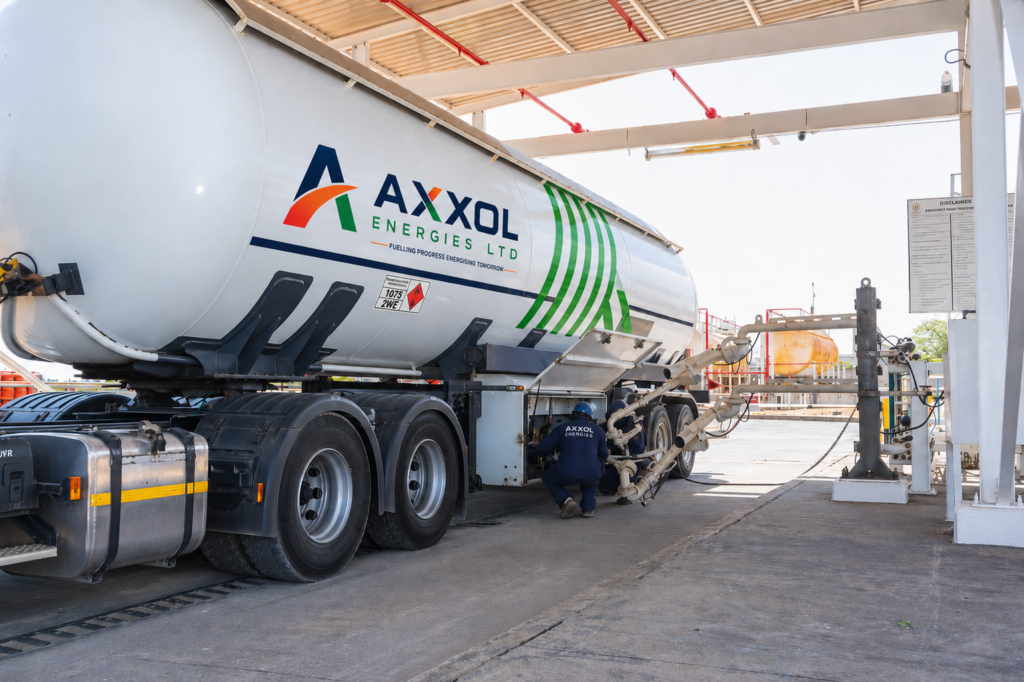
How to Choose a Reliable Bulk Fuel Supplier in Uganda: A Buyer’s Checklist
Key Takeaways
- The cost of an unreliable fuel supplier shows up as downtime. It is not a bad invoice; it is the real risk to weigh.
- Before signing, assess seven criteria. They are track record, delivery reliability, product range, compliance, transparent pricing, contract flexibility, regional reach.
- Reputable bulk suppliers won’t publish fixed prices online, because rates track international markets expect a quote per request, not a price list.
A late fuel delivery doesn’t just cost money. For a construction site, a transport fleet, or a manufacturing line running on generator backup, it can mean an entire day of stalled operations. Choosing a bulk fuel supplier is a reliability decision as much as a pricing one. Here’s what to check before signing a contract.
1. Track record and time in the market
How long has the supplier actually been trading in the region, and at what scale? A supplier with close to a decade of active bulk trading has weathered price swings, supply disruptions and regulatory changes and is still delivering. That’s a different proposition from a newer entrant still building its supply relationships.
2. Delivery reliability
Ask directly: how do they handle scheduling, and what happens when something goes wrong upstream? The right answer is a supplier that builds delivery schedules around your operation not one that expects your operation to work around theirs.
3. Product range
Can they cover PMS, AGO, BIK, LPG and lubricants under one relationship, or will you need multiple suppliers for different products? Consolidating under one supplier usually means simpler logistics and stronger leverage on pricing and priority during tight supply periods.
4. Compliance and safety standards
A serious bulk supplier should be able to speak clearly to how they handle import compliance, safety standards, and environmental practices across sourcing, storage and delivery not treat it as an afterthought.
5. Transparent, current pricing
Bulk fuel prices move with international markets, so a supplier that won’t quote a current, straightforward rate or that tries to lock you into stale pricing is a warning sign, not a selling point. Expect a quote built around your product, volume and delivery location.
6. Contract flexibility
Do they support both one-off bulk orders and standing B2B contracts? Businesses with predictable, ongoing fuel needs construction, agriculture, mining, transport generally do better with a contract structure than repeated spot purchases.
7. Regional reach
If your operations span more than one district, or you’re planning to expand across East Africa, check whether your supplier’s distribution network can actually follow you there.
A quick due-diligence checklist
- How many years has the supplier been actively trading in bulk?
- What’s their process when a delivery is at risk of running late?
- Which products can they supply under one contract?
- Can they describe their compliance and safety practices clearly and specifically?
- Will they provide a current quote based on your actual volume and location?
- Do they support contract supply, not just one-off orders?
- Can they support you if your operations expand regionally?
FAQ
How do I get a bulk fuel quote in Uganda?
Contact the supplier directly with your product, required volume and delivery location reputable suppliers will respond with a current quote and a supply plan rather than a fixed online price.
What’s the difference between a one-off bulk order and a contract supply agreement?
A one-off order is a single spot purchase. A contract supply agreement is scheduled, ongoing delivery matched to your operation better suited to businesses with predictable, recurring fuel needs.
Do reliable suppliers publish their prices online?
Usually not. Because bulk fuel prices shift with international markets, credible suppliers quote per request rather than posting static rates.
Which industries typically use contract fuel supply rather than spot orders?
Construction, agriculture, mining, transport and manufacturing any business where fuel downtime directly stops operations.